Palm Stearin
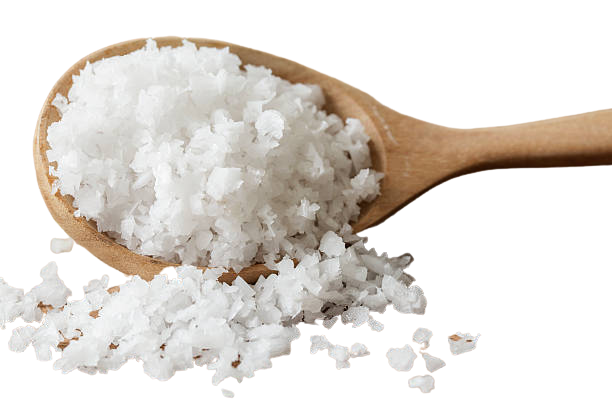
Palm stearin is the co-product of the palm oil refining process. The product undergoes a hydrogenation process to become hydrogenated palm stearin. The difference between hydrogenated and regular RBD palm stearin is the number of unsaturated chains of fatty acid molecules. Hydrogenated RBD palm stearin is known for its higher melting point than regular RBD palm stearin. At normal temperature, Hydrogenated RBD palm stearin appears white to a slightly yellow solid wax. Hydrogenated RBD palm stearin is insoluble in water, slightly soluble in gasoline, and soluble in acetone, benzol, chloroform, and alcohol.
- Overview
- Application
- Spesification
Palm stearin is the harder fraction of palm oil, containing a higher proportion of saturated fatty acids and TAGs with a higher melting point of 48–50°C. Palm stearin is the solid fraction of palm oil that is produced by partial crystallization at controlled temperature. It is a stearin in the sense of stearins and oleins being the solid and liquid fractions respectively of fats and oils; not in the sense of glyceryl tristearate. It is more variable in composition than palm olein, the liquid fraction of palm oil, especially in terms of its solid fat content, and therefore has more variable physical characteristics. Like crude palm fruit oil, palm stearin contains carotenoids, but physically refined palm oils do not, as they are removed or destroyed in the refining process.
Composition
Palm stearin consists of mostly glyceryl tripalmitate, with most of the rest of the fat content being glyceryl dipalmitate monooleate. In terms of fatty acid composition, a typical soft palm stearin might contain almost 50% palmitic acid and 35% oleic acid.
Manufacturing process
Palm stearin crystals are formed due to chilling which are separated in the filter press and pure liquid of palm olein is obtained and palm stearin cake is collected from the filter press. At Tinytech we can offer complete Dry Fractionation Systems for Palm Oil Refining as well as Palm Kernel Oil Refining.
APPLICATION OF PALM STEARIN IN FOOD INDUSTRY
- Coating substitution material
The coating material is generally made from polysaccharides, but they have the disadvantage of being very hygroscopic. Hygroscopic properties can cause agglomeration/clumping caused by increased water content during storage. - Margarine
The formation of trans fatty acids produced due to the hydrogenation process in making margarine can increase the risk of coronary heart disease and increase the amount of cholesterol in the blood plasma. - Bakery shortening
Shortening is a fat-based food additive with a crystal structure. To increase the content of saturated fatty acids in shortening, some companies use the hydrogenation process so that it has the potential to produce trans fatty acids. - Cocoa butter alternatives
Cocoa butter alternatives or cocoa butter replacers are made to replace the function of cocoa butter. Cocoa butter has a high price; therefore, the industry is replacing it with other vegetable fats that have lower prices, such as palm stearin. - Pig lard replacers
Lard from pigs is often used because of its sensory properties, mainly the taste and texture. Some countries, such as Japan, utilize lard from pigs to increase stickiness property in the meat consumed. - Emulsion and other products
Various emulsion products develop rapidly, along with the needs of the food industry to obtain a stable food system. Some researchers have used palm stearin for the synthesis of emulsion products. Arum et al. synthesized emulsifiers from palm stearin through glycerolysis followed by coldtemperature fractionation. The results showed that emulsifiers from palm stearin contained about 91% monoacylglycerol and about 9% diacylglycerol.
Palm stearin is a material that has high plasticity, so it is suitable for use in various food industries such as the bakery, shortening and margarine industries. Palm stearin can also be used as a mixture in polysaccharide-based coatings. The addition of palm stearin to the coating material causes an increase in hydrophobic properties, which makes the coating material not easily undergo agglomeration during storage. In addition, palm stearin can be used as a raw material for the production of cocoa butter alternatives through a blending or interesterification. The interesterification process in palm stearin is also used in the production of trans fat-free margarine and shortening which has good physicochemical properties.
| Palmkernel oil IV 17.5 | Palmkernel stearin IV 9 | Palm kernel stearin IV 7 | Hydrogenated palmkernel stearin IV 0.4 | |
|---|---|---|---|---|
| Fatty acid (%) | ||||
| 6:0–10:0 | 7 | 6 | 4 | 4 |
| 12:0 | 48 | 53 | 55 | 55 |
| 14:0 | 16 | 21 | 22 | 22 |
| 16:0 | 9 | 9 | 9 | 9 |
| 18:0 | 2 | 2 | 2 | 9 |
| 18:1 | 15 | 8 | 7 | 0.5 |
| 18:2 | 2 | 1 | 1 | 0 |
| SFC (%)/°C | ||||
| 20 | 44 | 70 | 82 | 95 |
| 25 | 20 | 48 | 68 | 90 |
| 30 | 0 | 8 | 29 | 50 |
| 35 | 0 | 0 | 5 |
| Specification | Typical Values |
| Acid Value (mg KOH/g) | 2 Max |
| Saponification Value (mg KOH/g) | 195-205 |
| Iodine Value (% I2absorbed) | 0.5 Max |
| Moisture,Impurities, Unsap (%) | 0.5 Max |
| Melting point (oC ) | 58-61 |
| Color (Lov, R/Y) | 2.5R Max |
| Product Form | Liquid / Solid/ Flakes / Beads |
| Packaging | 25kg Bag; Bulker Bag; PE; Drum; ISO; Bulk |